aluminium die casting
Selecting quality aluminium die casting components is a critical decision that significantly impacts the performance, longevity, and cost-effectiveness of any product. The precision, material integrity, and dimensional accuracy of these components directly translate to the overall quality of the final assembly. Therefore, understanding the key factors involved in their selection is paramount for engineers and procurement professionals alike. This process goes beyond simply choosing a supplier; it involves a comprehensive evaluation of their capabilities, material expertise, and commitment to quality control.
One of the primary considerations when selecting aluminium die casting components is the alloy itself. Different aluminium alloys possess varying properties, such as strength, ductility, corrosion resistance, and thermal conductivity. For instance, A380 is a commonly used general-purpose alloy, while A383 offers better fluidity for complex castings. The intended application will dictate the most suitable alloy, and a reputable manufacturer should be able to guide you in this selection based on your specific performance requirements and environmental conditions. Mis-specifying the alloy can lead to premature failure or suboptimal performance.
Dimensional accuracy and surface finish are also crucial indicators of quality in aluminium die casting components. High-quality parts will exhibit tight tolerances, minimal flash, and a smooth, consistent surface. These characteristics are indicative of well-maintained dies, precise casting parameters, and skilled operators. Inspecting sample parts for these attributes, perhaps using coordinate measuring machines (CMM) for precise measurements, is highly recommended. Poor dimensional accuracy can lead to fitment issues during assembly, increasing production time and scrap rates.
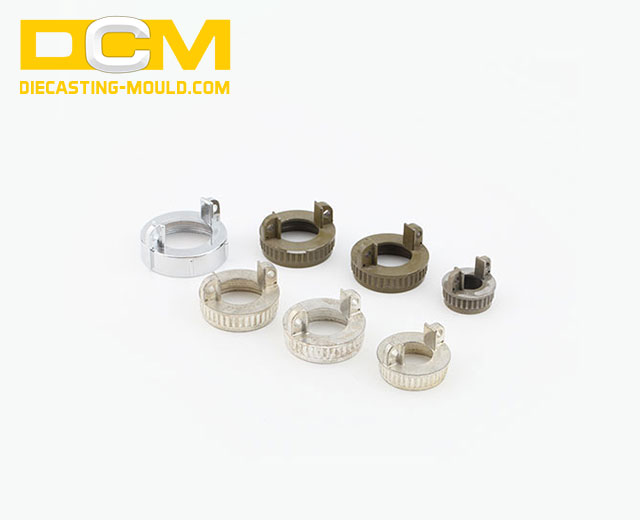
How to select quality aluminium die casting components?
Furthermore, evaluating the internal integrity of aluminium die casting components is essential. Internal defects such as porosity, cold shuts, or inclusions can compromise the structural strength of the part, leading to unexpected failures under stress. Reputable suppliers often utilize techniques like X-ray inspection or ultrasonic testing to detect such internal flaws. When considering suppliers, inquire about their quality assurance protocols and testing methodologies for both the aluminium die casting process and the final components. This proactive approach helps mitigate risks associated with hidden defects.
The supplier’s experience and their overall quality management system are equally important. A manufacturer with a proven track record in producing high-quality aluminium die casting components, especially for applications similar to yours, is generally a safer bet. Inquire about their certifications, such as ISO 9001, which signifies a commitment to internationally recognized quality standards. While the focus here is on aluminium, it’s worth noting that a company proficient in the zinc die casting process often possesses similar expertise in precision casting, indicating a broader understanding of die casting principles.
Finally, consider the supplier’s capacity for customization and their post-casting services. Many aluminium die casting components require secondary operations such as machining, finishing, or coating. A supplier that can offer these services in-house often provides a more streamlined and cost-effective solution, reducing lead times and ensuring consistent quality. Collaborating with a supplier who understands your complete product lifecycle and can offer comprehensive support will ultimately contribute to a more successful and efficient manufacturing process, ensuring you receive the highest quality aluminium die casting components for your needs.